

Self-Exclusion Isn't Enough. Player Safety, Responsible Gambling & iGaming | Alec Gehlot, PlaySignal
with Alec Gehlot, Founder & CEO, PlaySignal
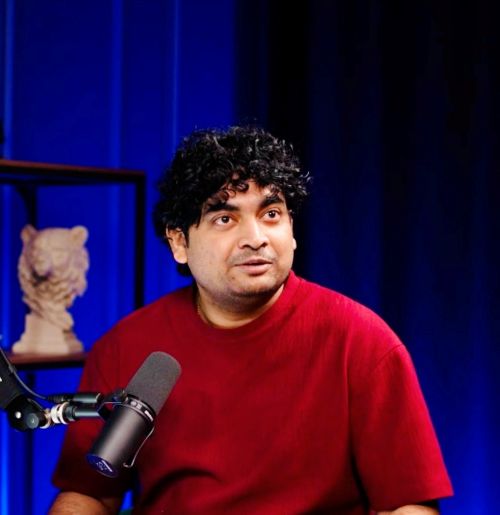


About this episode
In this episode of iGaming Real Talk, recorded at iGB Live in London, we speak with Alec from Play Signal about self-exclusion, responsible gaming and what operators can do before players reach the point of self-exclusion.
Drawing on his experience in CRM and player retention, Alec explains why he believes self-exclusion isn't necessarily the safety net the industry assumes it is, and why some players may be falling through the gap.
The conversation looks at how operators can identify behavioural patterns earlier and intervene before a player reaches a point where self-exclusion feels like the only option.
Alec also introduces Play Signal's traffic-light approach, which uses different levels of information and intervention depending on how a player is behaving. The idea is not simply to monitor players, but to give operators opportunities to intervene earlier and in a way that protects rather than punishes.
The discussion also explores the tension between responsible gaming and short-term revenue, why regulated operators need to think about sustainable player value, and what happens when players leave the regulated market and become exposed to the black market.
What this conversation explores:
- Why self-exclusion may not be the safety net the industry assumes it is
- How operators can identify behavioural patterns earlier and intervene proactively
- Play Signal's traffic-light model and how it works in practice
- The tension between responsible gaming and short-term revenue
- Why regulated operators need to focus on sustainable player value and lifetime value
- What happens when players leave the regulated market and move to the black market
- Why responsible gaming could become a key competitive advantage for regulated operators
Notable quotes
Self-exclusion isn't necessarily the safety net that we believe it to be.
Quite a few players are actually falling through the net.
Once players self-exclude, then they're prime target for the black market.
Key takeaways
Self-exclusion may not be the safety net the industry thinks it is
"Self-exclusion isn't necessarily the safety net that we believe it to be." Alec argues that there is still a gap between the systems operators have in place and the support available to players before they reach the point of self-exclusion. For him, the opportunity is to identify changes in player behaviour earlier and give operators a chance to intervene before the situation reaches that stage.
Operators need to look beyond the bare minimum
The conversation highlights that having self-exclusion processes in place does not necessarily mean operators are doing everything they can to protect players. Alec believes there is a missing layer around understanding and managing the journey towards self-exclusion, rather than simply responding once a player has already reached that point.
Intervention needs to be about more than monitoring
"It's not just about monitoring. It's about the nature of the intervention." Play Signal's approach is built around identifying behavioural signals, but Alec stresses that knowing a player may be at risk is only part of the solution. The next question is what the operator actually does with that information and whether the intervention helps the player rather than simply ticking another compliance box.
Responsible gaming interventions should protect, not punish
"These interventions very much need to be protective, not punishing." Play Signal uses a traffic-light approach to create different levels of intervention. At the green stage, players receive information about their gameplay. Amber is used to highlight specific facts or behaviours that may be abnormal. At the red stage, the intervention becomes stronger, giving the player a moment to stop and reconsider their gameplay.
Responsible gaming can support long-term player value
The conversation also challenges the idea that responsible gaming necessarily means sacrificing revenue. Alec argues that regulated operators need to think beyond short-term revenue and focus on sustainable players and lifetime value. The opportunity, in his view, is to intervene early enough to support the player while also maintaining a longer-term relationship.
The black market makes early intervention even more important
Once players self-exclude, they can become difficult for regulated operators to retain, while the black market remains an alternative. Alec sees this as an important challenge for regulated operators: if players leave the regulated ecosystem, bringing them back can be extremely difficult. That makes earlier, more effective intervention increasingly important.
Responsible gaming could become a competitive advantage
"Responsible gaming done in the right way is the competitive edge now that the regulated market has." For Alec, regulated operators cannot compete with the black market by simply trying to offer the same experience. Instead, responsible gaming and player protection could become part of what differentiates regulated operators, particularly if they can build greater trust with players.
About the guest
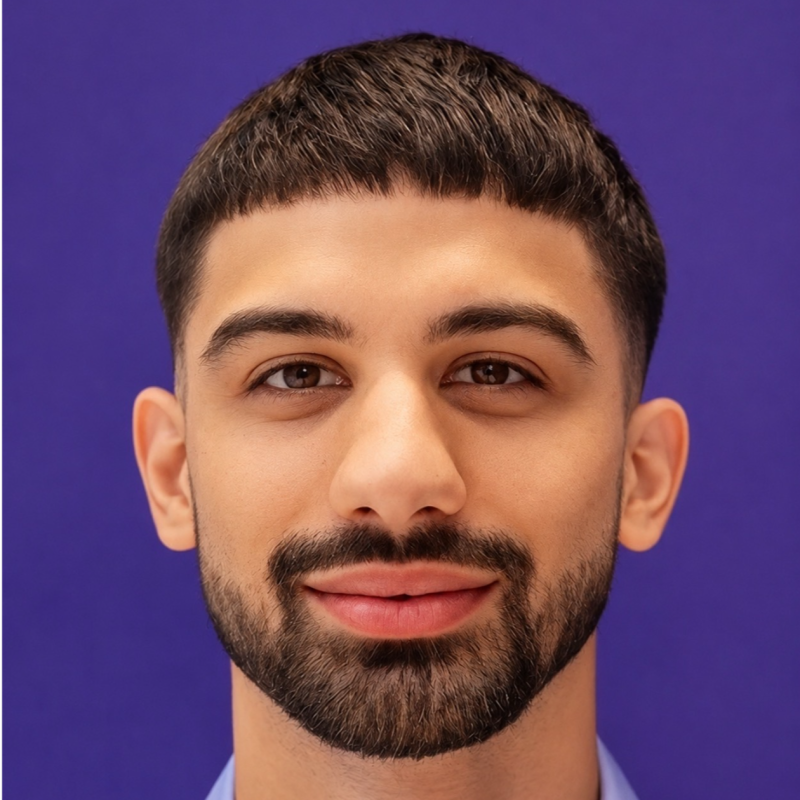
Alec Gehlot
Founder & CEO, PlaySignal
Alec Gehlot is the Founder and CEO of PlaySignal, a responsible gaming platform focused on real-time behavioural analytics and player protection. He spent the previous four years working in CRM at Optimove before launching PlaySignal. PlaySignal uses a traffic-light system to help operators identify emerging player risk and intervene earlier, with the aim of supporting responsible gaming while helping regulated operators retain sustainable player relationships.
LinkedIn profileTranscript excerpt
A short passage published by the podcast, not the whole conversation.
Read the excerptHide the excerpt
- Surya
Hello and welcome back to another episode of iGaming Real Talk. I'm here at IGB London with Alec from PlaySignal. It's great to have you here.
- Alec
Absolute pleasure, good to see you. Yeah, so I mean I've been quite interested in what you're building. I know we've had a chat probably like a few months ago, three, four months ago, and then since then I've been seeing a lot of activity.
- Surya
But most importantly what I would like to understand is you were working for a very successful CRM provider and also making some nice videos and posts on LinkedIn, right? So what was the movement for you that kind of led to the creation of PlaySignal?
- Alec
Yes, so I spent the last four years in CRM looking at player retention. What I kept seeing was self-exclusion isn't necessarily the safety net that we believe it to be. Quite a few players are actually falling through the net. So what I wanted to do...
- Surya
Why so?
- Alec
Well, look at it this way. First of all, in terms of what operators can do, there's more that can be done in order to first of all analyze and assess how players are trending towards self-exclusion. Another aspect to that is once players self-exclude then they're prime target for the black market. So for regulated operators there's a huge incentive to first of all manage your self-exclusions in a much better way and that's what PlaySignal is really there to do.
- Surya
So in other words operators are just doing what is bare minimum to kind of tick the boxes of regulations but not really caring for the player?
- Alec
Bare minimum is one thing. I think from our discussion what we discovered is in fact there isn't really much around self-exclusion itself. So there is processes and procedures in place around general exclusion that is led by the operator.
The actual self-exclusion actually seems to be this area that is missing from an operator's toolkit in terms of what they can do to effectively prevent players getting to that level of harm where they have to decide that they need to self-exclude.
- Surya
Okay and then how did you come up with the solution? The bridge is the gap I guess.
- Alec
Yes so we looked at the solution from two angles. One is monitoring, studying harm markers and looking at do we have a specific model and system that can effectively predict and analyze when players are about to self-exclude or on that journey towards it.
The other component of that which takes a lot of lessons from the CRM side is how do we engage with players in order to modify their behavior but more importantly cool them down and there are three key components to that with what I like to call the PlaySignal traffic light. So we have red, amber and green at each stage. So green is information about their gameplay.
Amber we're informing players of specific facts and more importantly informing them when they're behaving in a way that's abnormal and then on the red side it's an intervention, a screen takeover that gives them a moment to take a breather, have a moment to think about their gameplay. So there's a lot within that where we're able to break down the player journey but give opportunities for operators to intervene early.
- Surya
And do you have pushback from operators regarding this because they might think that they are losing a bit of revenue in the short term?
- Alec
Yes, yes. So you hit the nail right on the head there where from a short-term perspective it might seem that okay I don't want to inform my players of this fact because then it might reduce my revenue but ultimately for regulated operators the game now is about sustainable revenue and what we're really looking at.
- Surya
And sustainable players.
- Alec
Exactly, exactly. So really here we can actually justify a boost in lifetime value from the result of using PlaySignal and very much for the regulated market they have to play these long-term games.
The black market is coming after them and you playing short-term games the regulated market can't compete light for light with the black market operators they have to do something different and we truly believe that responsible gaming done in the right way is the competitive edge now that the regulated market has.
- Surya
And do you show these stats, these numbers to operators saying hey you know if you save a player obviously this player is going to go and stay with you for long term and it's going to be brand loyalty for you?
- Alec
No, no we do a lot in terms of like operator education maybe in this space so the fact that if we can intervene earlier and prevent them from getting to a point of self-exclusion, prevent them from getting to a point of harm there's an opportunity to actually keep hold of this player and we also believe generally it's more beneficial for the regulated industry to keep hold of these players rather than them getting to a point of self-exclusion and operators, regulated operators at least washing their hands but then those players becoming a target for the black market.
Because once players go over to that side very difficult to bring them back and in particular around self-exclusion once a player does self-exclude they're pretty much gone. The typical self-exclusion duration is around five years in the UK.
- Surya
Oh wow.
- Alec
Once a player is self-excluded they're pretty much gone. I think there's a lot more we can do to protect players, look after players, also for operators that want to play long-term games extend the lifetime value of a player.
- Surya
Okay cool and how many operators are live on your solution at the moment?
- Alec
So right now we have some pretty interesting news that's going to be released in a few weeks time but very much right now in POC phase, launching with select operators that we've highlighted to be operators that are very much at the cutting edge of the responsible gambling side. So a lot more news to come on that very soon.
- Surya
Amazing and if we just look at the responsible gaming as a sector where do you think it's heading and what is the main challenge?
- Alec
So the main challenge I'll start from there first - the level of self-exclusions are climbing rapidly so for the UK market 313 people a day are self-excluding. Among the cohort of 16 to 24 year olds that's increased 40 percent year on year. These are huge growth metrics in a bad way for self-exclusions. And the solution is not just about monitoring.
Very much where we're at is okay we need to monitor this and try and the operator needs to be informed about it but the angle that PlaySignal is taking that's different and trying to push the industry forward on is it's not just about monitoring it's about the nature of the intervention.
And these interventions very much need to be protective not punishing and that level of communicating with the players, building trust with the players we think is fundamental to the regulated market surviving and also thriving.
- Surya
That's great thank you for joining us as well as sharing your perspective and I think personally from where I'm seeing PlaySignal is going to be very crucial in terms of retention itself like you know essentially it's a retention tool.
- Alec
Yes spot on.
- Surya
Amazing thank you so much, appreciate your time. Thank you Alec and that's it for today for this episode. Thank you for watching, do share your thoughts in the comments below, do follow Alec on LinkedIn. I will see you on the next one. Thank you.
 1h 2m
1h 2mJust Play the Game
Alexandre Tomic · Founder, Alea & Vegas Legends
 9 min
9 minSiGMA Nexus Elite | Executive Network by SiGMA
Louise Mouton Tingager · Head, SiGMA Nexus Elite
 14 min
Why the Cheapest Gaming License Can Cost You More Later
Khristina Karanskaia · Head of Content, My Gaming License